Want to grow your business? Then you need leads—and not just any leads, but high-quality ones that convert. In this guide, we’ll break down everything you need to know about generating, nurturing, and converting leads into loyal customers.


What Are Leads and Why They Matter

At the heart of every successful business lies a steady stream of leads. But what exactly are leads? In simple terms, a lead is any individual or organization that has shown interest in your product or service. This interest could come from filling out a form, subscribing to a newsletter, downloading a free guide, or engaging with your content online.
Defining Leads in Modern Marketing
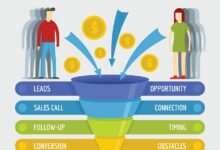
The term leads refers to potential customers who have entered your sales funnel. Unlike cold prospects, leads have taken a specific action that signals intent. This makes them far more valuable than random website visitors.
- Leads are categorized based on their level of engagement.
- They are the starting point of the customer journey.
- Effective lead management drives revenue growth.
Types of Leads: MQLs vs SQLs
Not all leads are created equal. Marketers often distinguish between Marketing Qualified Leads (MQLs) and Sales Qualified Leads (SQLs).
- MQLs are leads that have engaged with marketing content but aren’t ready to buy yet.
- SQLs are leads that sales teams have vetted and deemed ready for direct outreach.
“A lead is not just a name and email—it’s a relationship waiting to happen.” — HubSpot
7 Proven Strategies to Generate High-Quality Leads
Generating leads isn’t about casting a wide net—it’s about targeting the right audience with the right message. Here are seven powerful strategies that consistently deliver results.
1. Create High-Value Lead Magnets
A lead magnet is a free resource offered in exchange for contact information. The key is to provide real value that solves a specific problem.
- E-books, checklists, templates, and webinars are popular lead magnets.
- Ensure your offer is highly relevant to your target audience.
- Use compelling copy and design to increase conversion rates.
For example, a SaaS company might offer a free trial or demo as a lead magnet. According to HubSpot, businesses using lead magnets see up to 300% more conversions.
2. Optimize Landing Pages for Conversions
Your landing page is where the magic happens. Even the best lead magnet will fail if the landing page doesn’t convert.
- Keep the design clean and focused on the offer.
- Use strong headlines and clear calls-to-action (CTAs).
- Minimize form fields to reduce friction.
A/B testing different versions of your landing page can significantly boost conversion rates. Tools like Unbounce make it easy to test headlines, images, and form lengths.
3. Leverage Social Media Advertising
Paid social media campaigns on platforms like Facebook, LinkedIn, and Instagram are powerful tools for generating targeted leads.
- Use detailed targeting options to reach ideal customer profiles.
- Run lead generation ads with built-in forms for instant capture.
- Retarget website visitors to increase conversion chances.
LinkedIn, for instance, is especially effective for B2B lead generation. A study by LinkedIn Marketing Solutions found that 80% of B2B leads come from LinkedIn.
4. Publish SEO-Optimized Content
Organic search remains one of the most cost-effective ways to attract high-intent leads.
- Research keywords your audience is searching for.
- Create in-depth blog posts, guides, and videos.
- Optimize meta tags, headers, and internal linking.
Long-form content (over 2,000 words) tends to rank higher and generate more leads. According to Backlinko, longer content gets more backlinks and social shares, both of which boost SEO performance.
5. Run Email Marketing Campaigns
Email is still one of the highest ROI marketing channels for nurturing leads.
- Build your list through opt-in forms and lead magnets.
- Segment your audience for personalized messaging.
- Use automated drip campaigns to guide leads through the funnel.
According to the Campaign Monitor, segmented email campaigns generate 30% more opens and 50% more clicks.
6. Host Webinars and Live Events
Webinars are excellent for building trust and capturing high-quality leads.
- Choose topics that address pain points your audience faces.
- Promote the event across multiple channels.
- Collect attendee information during registration.
Post-event follow-ups can convert attendees into customers. Companies like ZoomInfo use webinars to generate thousands of qualified leads each quarter.
7. Use Chatbots and Live Chat
Real-time engagement can turn website visitors into instant leads.
- Deploy chatbots to answer common questions 24/7.
- Use live chat for personalized assistance.
- Offer lead capture forms within the chat interface.
Studies show that websites with live chat have up to 40% higher conversion rates. Tools like Intercom and Drift help automate lead qualification and routing.
How to Qualify and Score Your Leads
Not every lead is worth pursuing. Lead qualification ensures your sales team focuses on the most promising prospects.
Implement a Lead Scoring System
Lead scoring assigns points based on a prospect’s behavior and profile. The higher the score, the more likely they are to convert.
- Positive actions (e.g., visiting pricing page) add points.
- Negative actions (e.g., unsubscribing) subtract points.
- Demographic fit (job title, company size) also influences scoring.
For example, a visitor who downloads a product brochure and visits the pricing page might score 75/100, making them a strong SQL.
Use BANT Framework for Qualification
BANT (Budget, Authority, Need, Timeline) is a classic sales qualification model.
- Budget: Does the lead have the financial resources?
- Authority: Are they the decision-maker?
- Need: Do they have a problem your product solves?
- Timeline: When do they plan to make a purchase?
While BANT has evolved, it remains a solid foundation for evaluating leads.
The Role of CRM in Managing Leads
A Customer Relationship Management (CRM) system is essential for organizing, tracking, and nurturing leads.
Top CRM Features for Lead Management
Modern CRMs offer tools that streamline the entire lead lifecycle.
- Automated lead capture from forms and emails.
- Lead assignment and routing to sales reps.
- Activity tracking and follow-up reminders.
Platforms like Salesforce and Zoho CRM provide robust lead management capabilities.
Integrating CRM with Marketing Tools
Connecting your CRM with marketing automation tools ensures seamless data flow.
- Synchronize lead data between email platforms and CRM.
- Trigger workflows based on lead behavior.
- Gain a unified view of customer interactions.
This integration reduces manual work and improves lead response time.
Nurturing Leads Through the Sales Funnel
Most leads aren’t ready to buy immediately. Lead nurturing builds trust and keeps your brand top-of-mind.
Develop a Lead Nurturing Workflow
An effective nurturing workflow includes a series of personalized messages delivered over time.
- Start with a welcome email after sign-up.
- Share educational content that addresses pain points.
- Gradually introduce product benefits and case studies.
Automation tools like Marketo and ActiveCampaign make it easy to set up multi-touch nurturing campaigns.
Personalization: The Key to Engagement
Generic messages get ignored. Personalized content increases engagement and conversion rates.
- Use the lead’s name and company in communications.
- Recommend content based on past behavior.
- Adjust messaging based on industry or role.
According to Experian, personalized emails deliver 6x higher transaction rates.
Measuring Lead Generation Success
You can’t improve what you don’t measure. Tracking key performance indicators (KPIs) helps you optimize your lead generation efforts.
Essential Lead Generation Metrics
Monitor these metrics to evaluate your campaign effectiveness.
- Conversion Rate: Percentage of visitors who become leads.
- Cost Per Lead (CPL): Total spend divided by number of leads generated.
- Lead-to-Customer Rate: Percentage of leads that convert to paying customers.
Regular reporting helps identify what’s working and what needs adjustment.
Using Analytics Tools for Insight
Tools like Google Analytics, HubSpot, and Salesforce provide deep insights into lead behavior.
- Track user journeys from first visit to conversion.
- Identify high-performing channels and content.
- Set up goals and funnels to visualize drop-off points.
Data-driven decisions lead to better ROI and more efficient lead generation.
Common Lead Generation Mistakes to Avoid
Even experienced marketers make mistakes that hurt lead quality and volume.
Targeting the Wrong Audience
Attracting leads who aren’t a good fit wastes time and resources.
- Define your ideal customer profile (ICP) clearly.
- Use firmographic and behavioral data to refine targeting.
- Avoid broad campaigns that attract unqualified leads.
Ignoring Lead Follow-Up
Delayed follow-up drastically reduces conversion chances.
- Respond to leads within 5 minutes for best results.
- Automate initial responses to ensure speed.
- Set up reminders for ongoing engagement.
Research by MarketingDonut shows that timely follow-up increases conversion rates by up to 70%.
Overlooking Lead Nurturing
Many businesses focus only on acquisition and neglect nurturing.
- 80% of new leads won’t convert immediately.
- Nurtured leads make 47% larger purchases than non-nurtured ones.
- Build long-term relationships, not just quick wins.
Future Trends in Lead Generation
The way we generate and manage leads is evolving rapidly due to technology and changing consumer behavior.
AI and Machine Learning in Lead Scoring
Artificial intelligence is transforming lead qualification.
- AI analyzes vast amounts of data to predict conversion likelihood.
- Machine learning models improve accuracy over time.
- Tools like InsideSales use AI to prioritize high-value leads.
Rise of Conversational Marketing
Consumers expect instant, personalized interactions.
- Chatbots and messaging apps are replacing traditional forms.
- Conversational AI engages leads in real-time.
- Platforms like WhatsApp and Facebook Messenger are becoming lead channels.
According to Drift’s Conversational Marketing Report, 64% of consumers expect real-time responses from businesses.
Privacy-First Lead Generation
With increasing data regulations (GDPR, CCPA), trust is paramount.
- Be transparent about data collection and usage.
- Offer value in exchange for personal information.
- Respect user preferences and opt-out requests.
Building trust leads to higher-quality, more engaged leads.
What are leads in marketing?
Leads in marketing refer to individuals or organizations that have shown interest in your product or service by providing their contact information or engaging with your content. They are potential customers who enter your sales funnel and can be nurtured into paying clients.
How can I generate more leads for my business?
You can generate more leads by creating valuable lead magnets, optimizing landing pages, using paid social ads, publishing SEO content, running email campaigns, hosting webinars, and leveraging chatbots. Consistently testing and refining your strategies will improve results over time.
What’s the difference between MQLs and SQLs?
Marketing Qualified Leads (MQLs) are leads that have engaged with marketing efforts but aren’t ready to buy. Sales Qualified Leads (SQLs) are leads that sales teams have reviewed and confirmed as ready for direct sales outreach.
How do I qualify a lead effectively?
Use frameworks like BANT (Budget, Authority, Need, Timeline) and implement lead scoring based on behavior and demographics. A CRM system can help automate and streamline the qualification process.
Why is lead nurturing important?
Lead nurturing builds trust, educates prospects, and keeps your brand top-of-mind. Most leads aren’t ready to buy immediately—nurturing increases the chances of conversion and leads to larger deals.
Generating and converting leads is the lifeblood of any growing business. From understanding what leads are to implementing advanced strategies like AI-powered scoring and conversational marketing, every step matters. By focusing on quality over quantity, using the right tools, and continuously optimizing your approach, you can build a sustainable pipeline of high-value leads that drive long-term success.
Further Reading:
